
Stakeholders (I_25)
The stakeholders identified by the Port Authority of Huelva are as follows:
Port Customers and Users
These are the stakeholders who contribute to the development of port activity in all its dimensions: logistics, industrial, commercial and services. They are classified as:
- End Customers
- Shipping agents
- Ship Captains
- Concessionaires
- Cargo concessionaires
- Fishmongers
- Stevedores
- Service Providers
- Pilots
- Customs Agents
- Institutions / Government Bodies
- HuelvaPort Association
Social sectors of influence
- University
- Administrations
- Neighbourhood Associations
- School community
- Trade unions
- Businesses
- Media
- Other groups (cultural and sports associations, professional bodies, charities and non-governmental organisations, etc.)
Communication with stakeholders (I_26)
The APH Historical Archive, located in the Port Authority’s Reception and Documentation Centre and reporting to the General Secretariat, received a total of 7,160 enquiries in 2025, of which 3,240 were from researchers and 3,920 were internal enquiries from the APH.
The Department of Communication and External Relations has carried out external communication activities through the distribution of press releases, the organisation of public events and participation in conferences and functions, aimed at enhancing the image of the Port of Huelva.
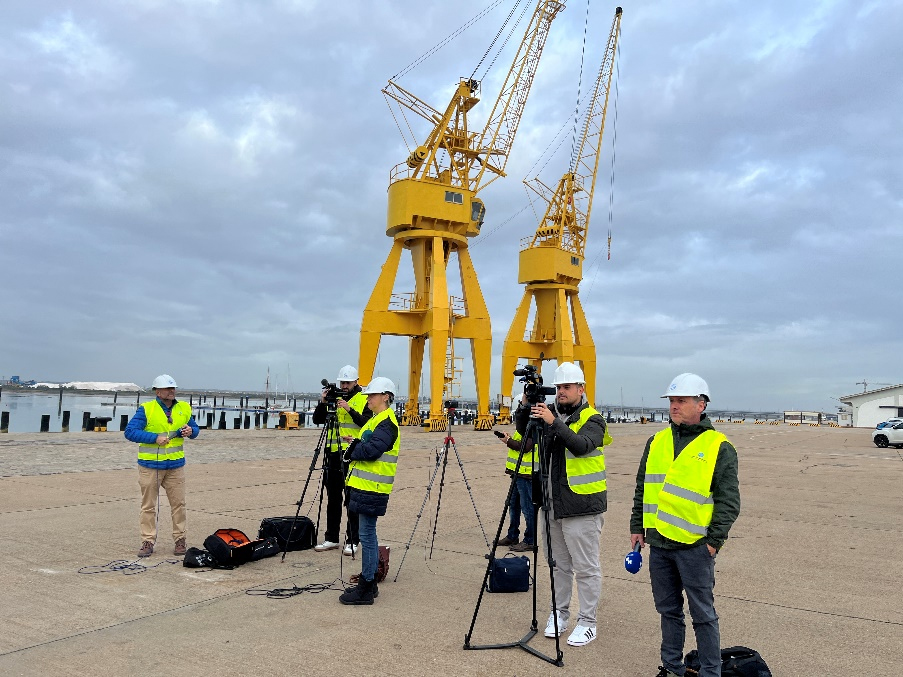
Throughout the year, 69 press releases were issued to publicise the main initiatives and projects carried out by Huelva Port Authority during the financial year.
Progress has continued with the social media strategy, strengthening communication through the HPA’s social media profiles on Facebook, Twitter, Instagram, LinkedIn and YouTube. The Port of Huelva’s social media channels disseminate news and content that help foster the creation of a community around the Port of Huelva, in line with its strategic vision as a sustainable, environmentally friendly, economic and social port; innovative and digitalised, as well as promoting the Port of Huelva’s growth projects in the logistics, industrial and port sectors.
The total number of followers in 2025 rose to 37,793 users, representing an 8.2% increase in the number of users, distributed across Facebook, which has attracted a total of 14,151 followers; Instagram: with a total of 4,594; the X network, with a total of 6,725; and LinkedIn: with a total of 12,323. Added to this community of followers are those on YouTube, with a total of 618.
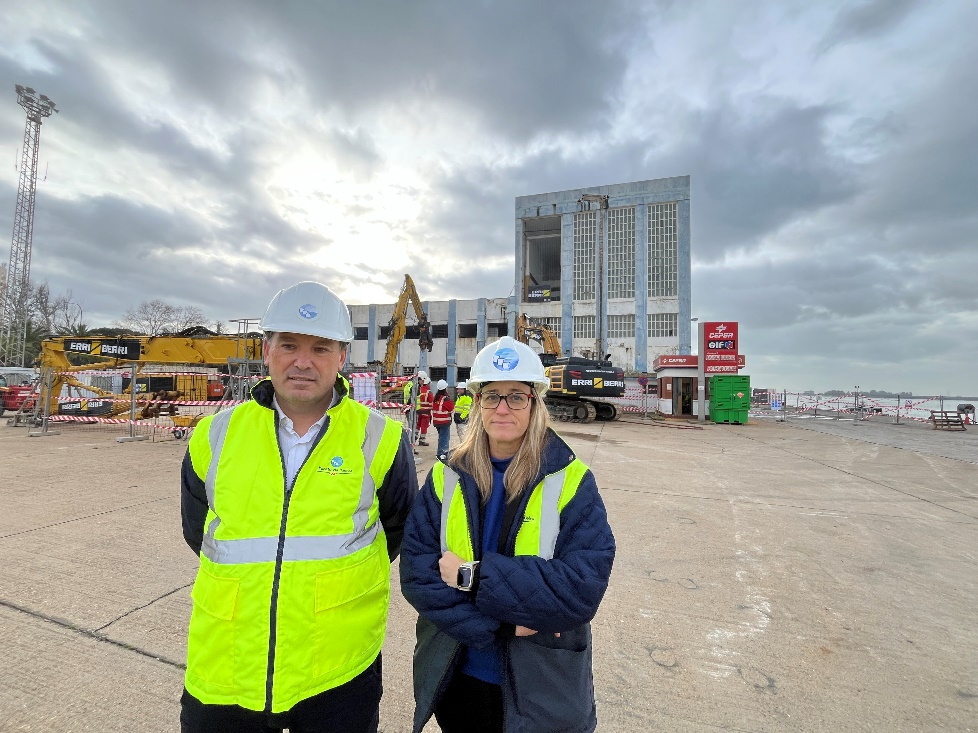
In January, the Odiel Marina hosted the arrival of the Three Kings for the second year running. As is customary, a delegation from the Port of Huelva travelled to FITUR to present the major port-city projects. Another notable milestone was the start of the demolition of an old ice factory on the Muelle de Levante, popularly known as the Expofrisa building, as a preliminary step towards the development of the Muelle de Levante regeneration project. The year also began with the launch of a new maritime container freight service to connect, via Castellón, with several countries in the Mediterranean and the Middle East, as well as the coastal regions of India and Pakistan, thanks to the Italian shipping company Messina Line and its agreement with MCI (Maghreb Container International).
In February, the Port of Huelva took part in the 2nd National Green Hydrogen Congress as a leading logistics hub for green hydrogen and other clean fuels in southern Europe. The results of a Study on the Port of Huelva Service Quality Perception Index 2024 were released, in which users gave an average rating of 8.33 for overall satisfaction with port management. The Port and the company Water Challenge presented a zero-discharge pilot plant for dredging and water at the Ingeniero Juan Gonzalo Quay.
In March, the Board of Directors announced the award of the contract for the expansion project of the South Quay rail terminal. March also saw the launch of the first regular high-frequency shipping route to the Port of Tangier Med, promoted by the Suardiaz Group shipping company and the Huelva-based road transport and integrated logistics operator GTO (Grupo Transonuba). Moeve, Exolum and Huelva Port Authority presented the new loading and unloading infrastructure, currently under construction, which will improve operational capacity and serve the new 2G biofuel plant that Moeve and its partner are building at the La Rábida Energy Park in Palos de la Frontera. The Port President handed over the keys to the new headquarters to the Association of Fish and Seafood Exporters at the Ciudad del Marisco.
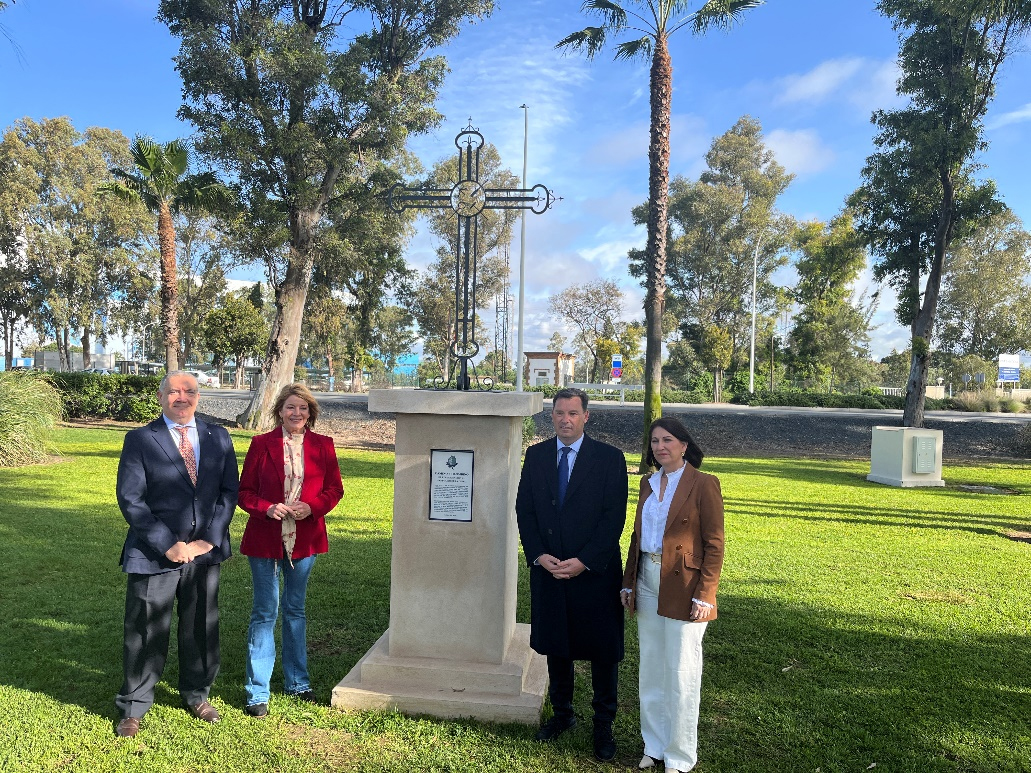
In April, the Port of Huelva and the Chamber of Commerce unveiled various initiatives as part of the Nexomar project to promote intermodality and boost the Logistics Activities Zone (ZAL). The ‘Cruz del Camino Colombino’ pilgrimage route to the Sanctuary of Nuestra Señora de la Cinta has been established near the Columbus Monument. This recreates the steps taken by Admiral Christopher Columbus on his return to Spain following the Columbus Expedition. This month saw the publication of the results of a public perception survey in which residents of Huelva and Palos gave the management of the Port of Huelva a high mark.
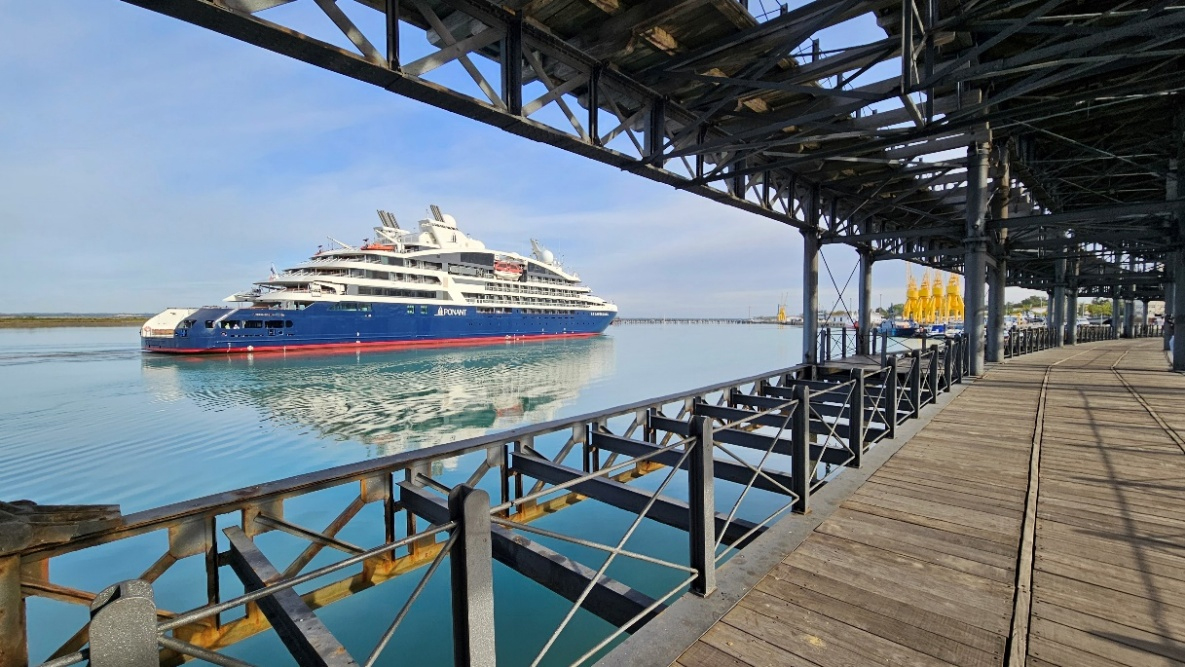
In May, the French-flagged luxury cruise ship Le Lapérouse, operated by the Ponant Explorations Group, made its maiden call at the port. A sculpture paying tribute to its creator, the American artist Gertrude Vanderbilt Whitney, was unveiled near the Columbus Monument; the work was created by the Huelva-born sculptor Martín Lagares (La Palma del Condado). The Port of Huelva hosted the 3rd Conference on Environmental Sustainability and Port Management, with over 170 participants and 40 national and international specialists to discuss the role of ports in the context of climate change, energy transition and the pressure on the use of natural resources.
In June, the results of the Port-City Call for Proposals were announced, and 186 projects were selected from across the social, cultural, educational and sporting sectors. Sadly, this month saw the loss of Enrique Pérez Gómez, who had led the Huelva-based institution as director for 20 years.
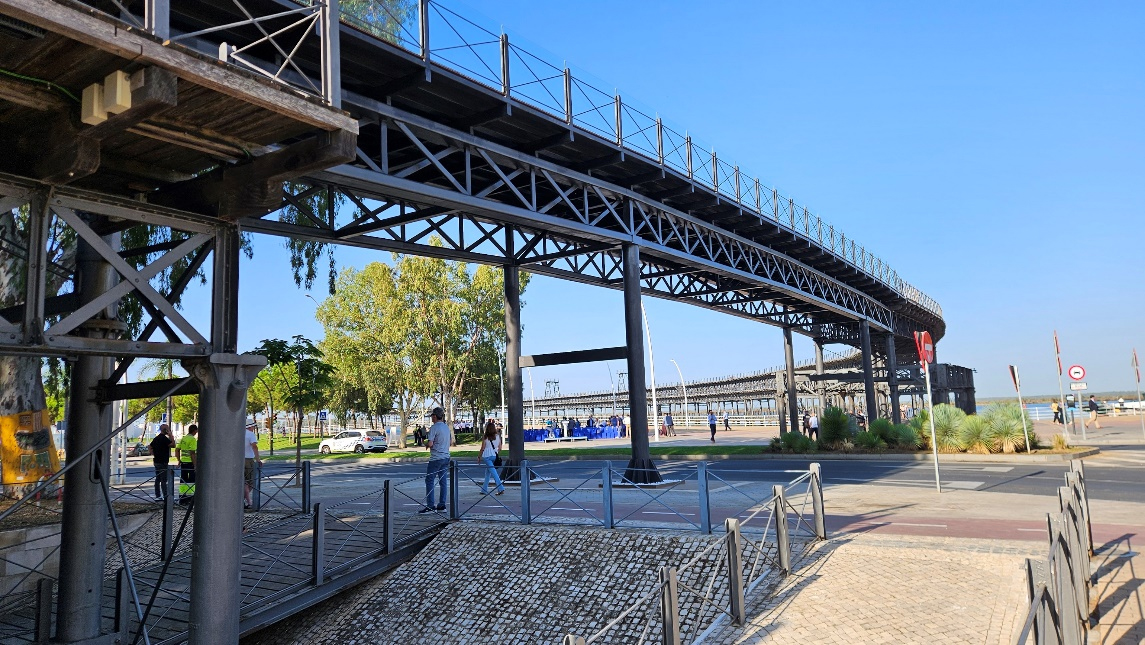
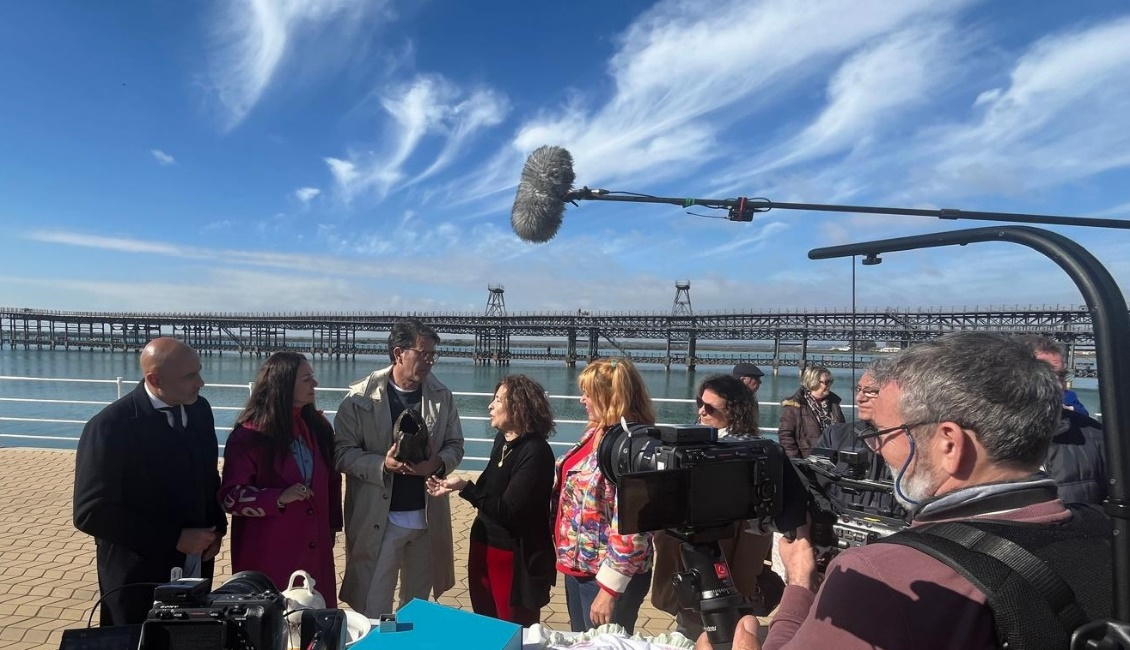
This month saw the inauguration of the connection to the ore-loading quay of the former Rio Tinto Company.
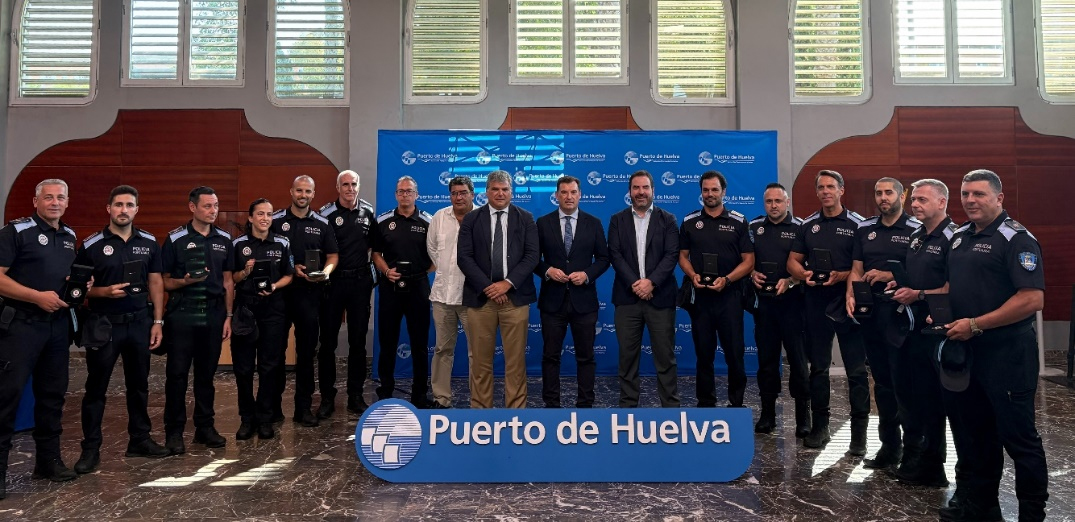
In August,the Port of Huelva added 13 new port police officers to its staff, thereby strengthening surveillance, security and operational capacity at the port facilities. Meanwhile, this month the Port suffered the loss of José Antonio Marín Rite, who had presided over this institution for five and a half years, from the beginning of 2005 until the end of July 2010.
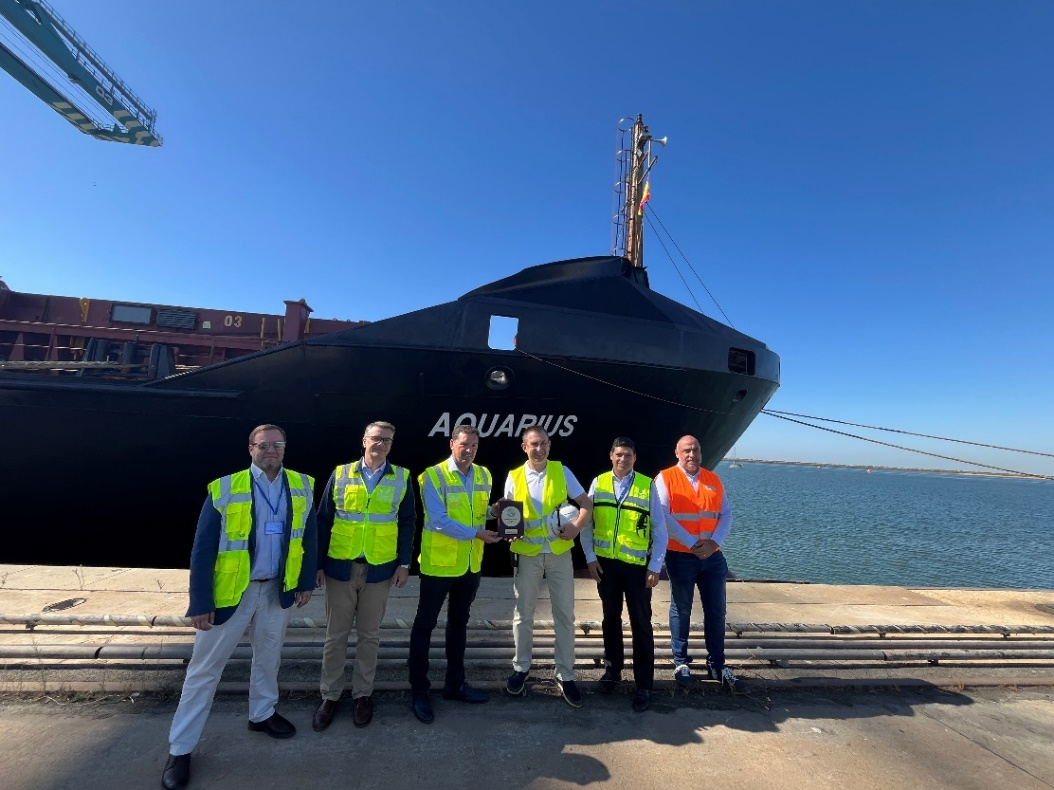
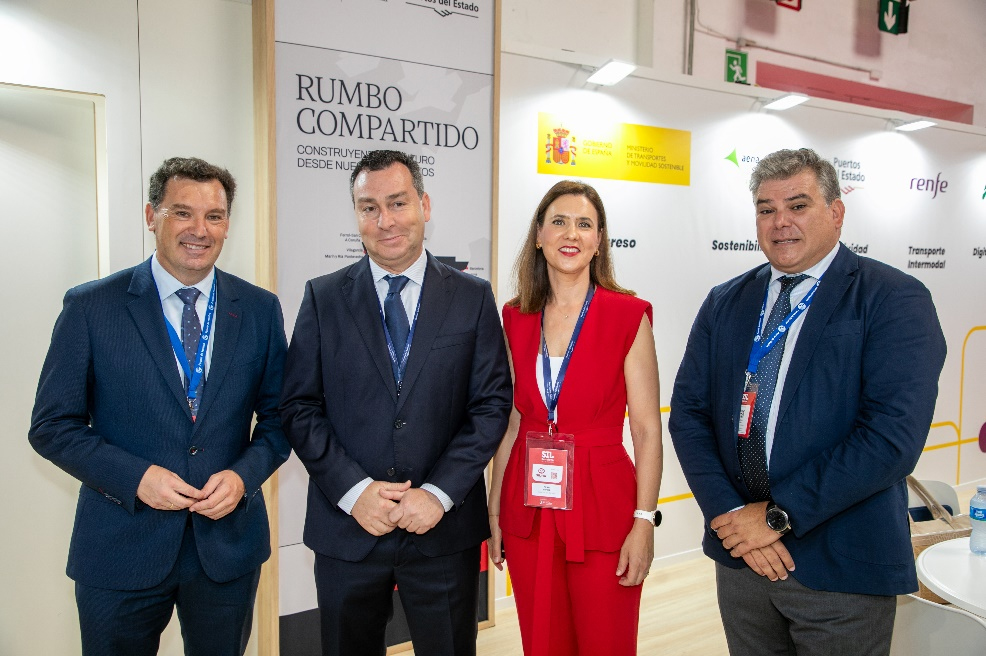
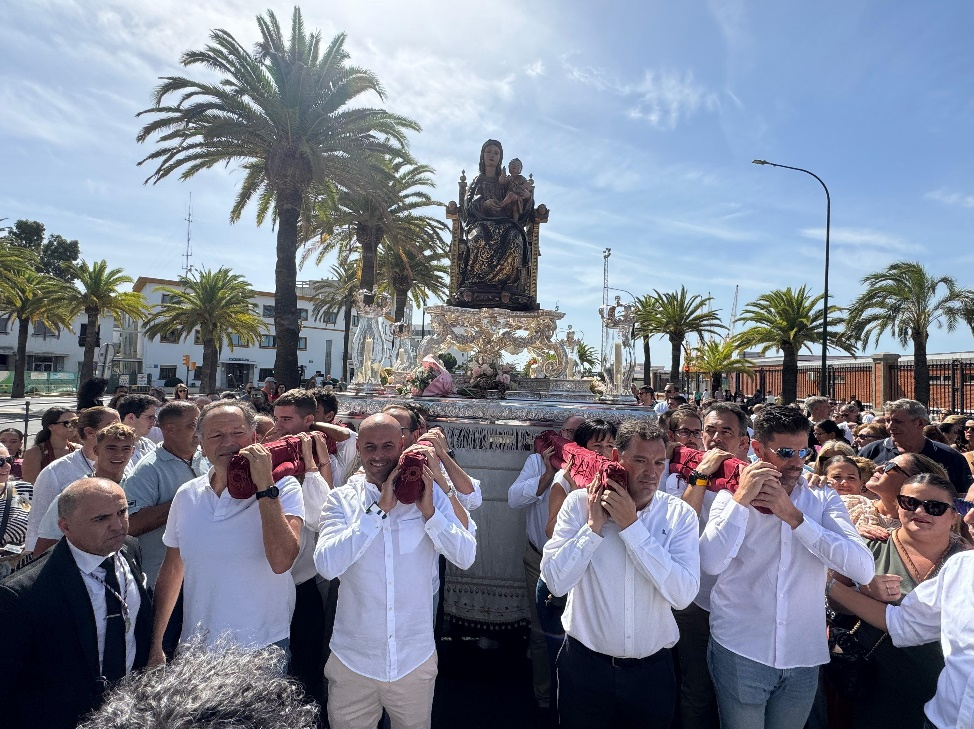
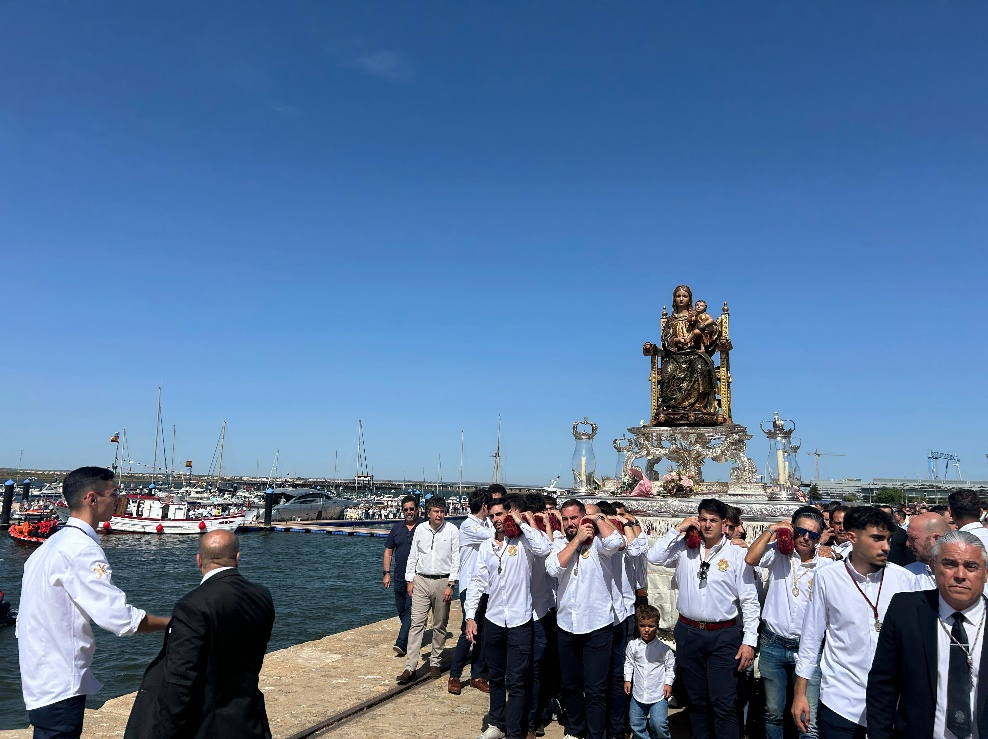
In September, the Port of Huelva, in conjunction with the Huelva Chamber of Commerce, launched a detailed map of the industrial land available in the province. At the Board of Directors’ meeting, a report was given on the works relating to the Muelle de la Reina Rehabilitation Project, which is scheduled to coincide in 2026 with the centenary of the Plus Ultra flight in 1926. To mark the Magna Mariana procession in Huelva, the Virgen de la Bella was bid farewell as she returned to Lepe after embarking at the Muelle de Levante. On 23 September, Alisios Shipping Lines launched a new weekly service on the Huelva-Canary Islands container-shipping route. A delegation of businesspeople from the Talento Business Club of Seville was received, organised by the Huelva Chamber of Commerce. Representatives from the Port of Huelva, Puertos del Estado and Frigoríficos Portuarios del Sur (Friportsur) presented the facilities of the Cold Logistics Hub at the Fruit Attraction trade fair in Madrid.
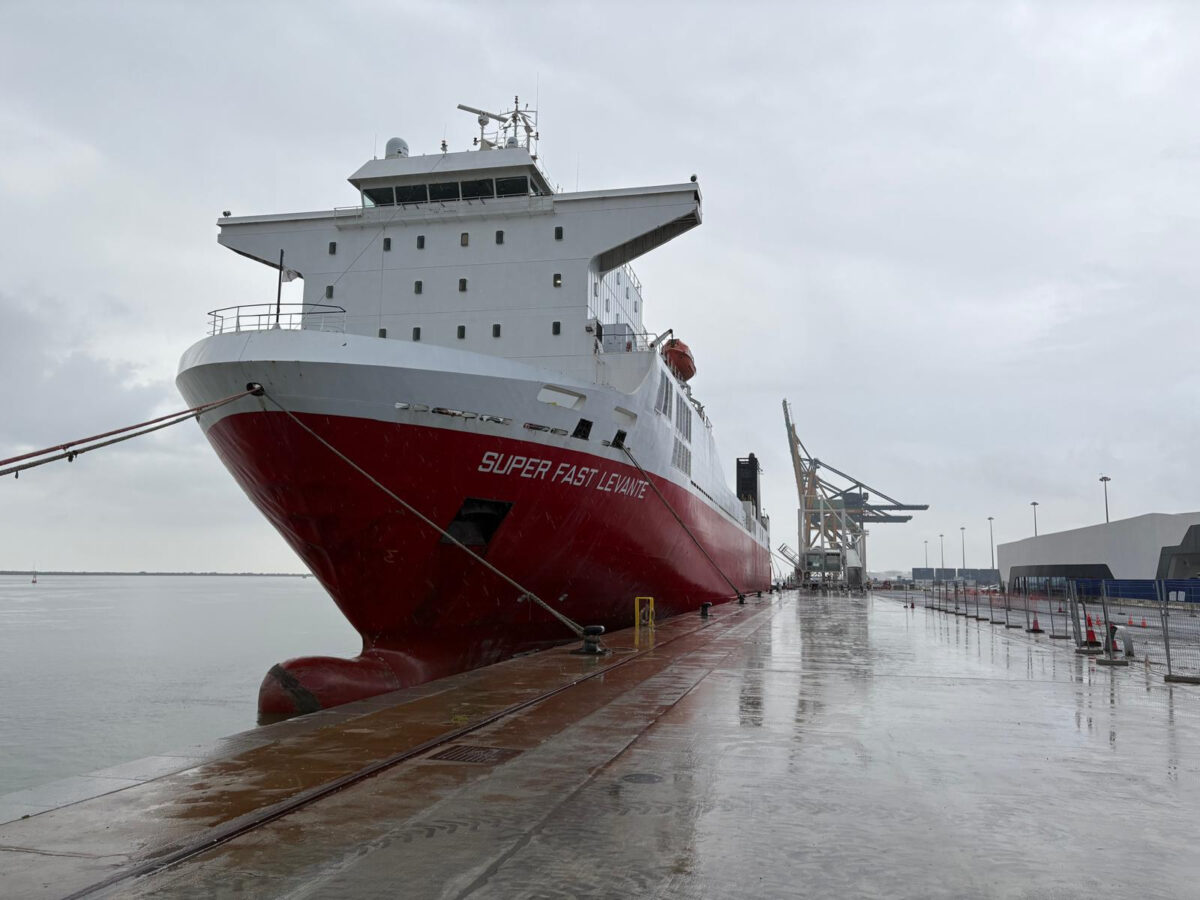
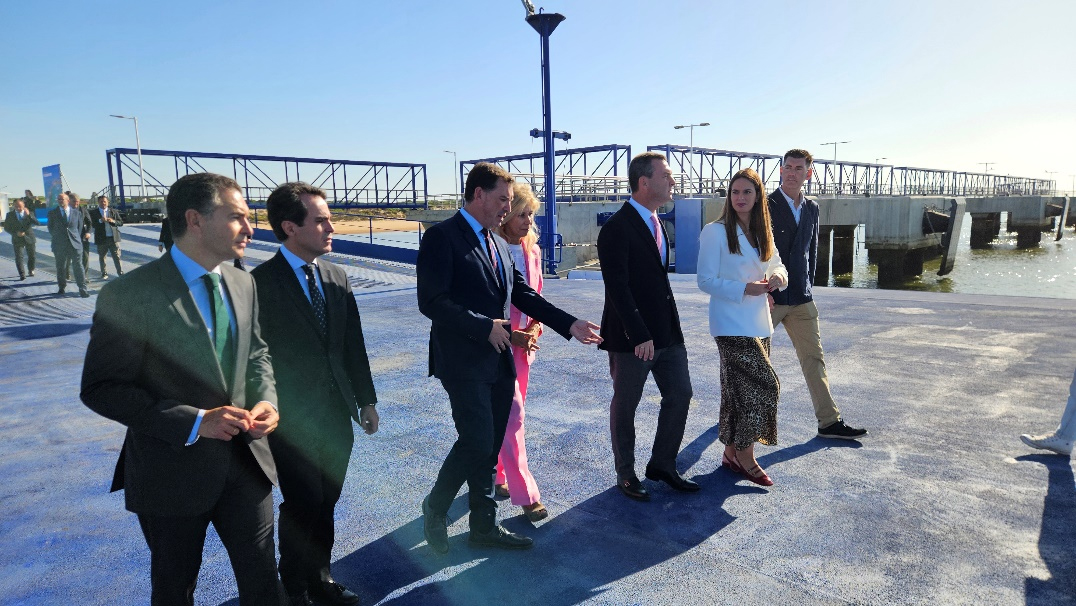
In October, the Port of Huelva inaugurated a new double Ro-Ro ramp for the berthing of ferry-type vessels at the South Quay, which will enable an increase in the movement of general cargo exports and imports at the port of Huelva via road transport. Two innovation projects, proposed by employees of the Port of Huelva, were recognised as part of the second edition of the ‘Improve your port’ ideas competition, organised by the Port of Huelva Innovation Exchange and Telefónica.
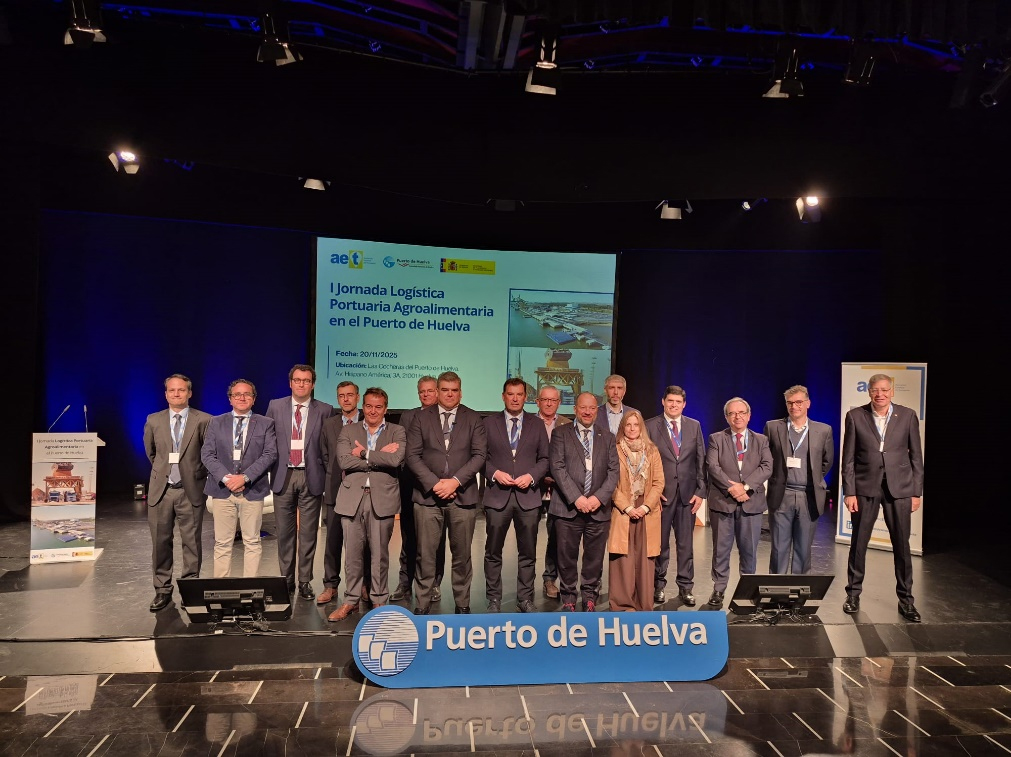
In November, the Huelva Navigation and Port Council held its annual meeting, where it reviewed the main projects carried out with an investment of 60 million euros. Over a hundred participants gathered at Las Cocheras for the 1st Agri-Food Port Logistics Conference, organised in conjunction with the Spanish Transport Association (AET), to discuss trends in agri-food dry bulk, logistical challenges and the growth of refrigerated cargo (reefer). In preparation for the Christmas holidays, the Port of Huelva offered a large car park area next to the Rio Tinto Company Quay, with over 300 spaces.
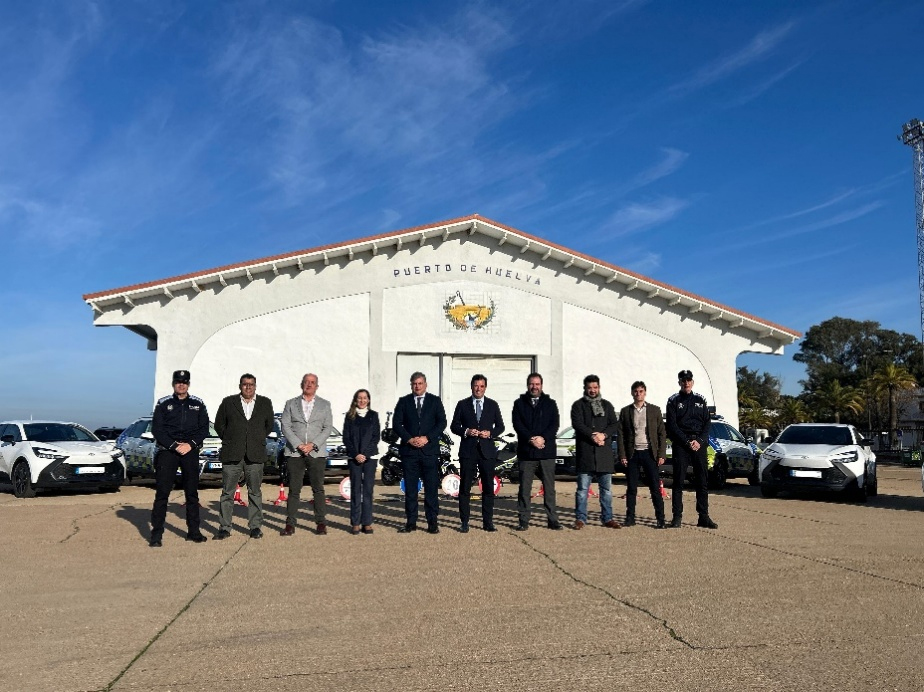
December brought the lighting up of the traditional Christmas lights. The Port of Huelva celebrated Port Day with the presentation of three Special Mentions: in the institutional sphere to Huelva City Council, in the business sphere to Atlantic Copper, and in the social sphere to the Spanish Cancer Association in Huelva. This month also saw the unveiling of 12 new vehicles acquired by the Port to ensure the safety of the fleet of service vehicles.
With regard to internal communication, the guidelines of the organisation’s Internal Communication Plan have been followed, in line with the guidelines set out in the new Port of Huelva Strategic Plan 2023–2030 with a vision to 2050. Within this plan, Strategic Axis 3 defines the Port of Huelva as a sustainable, environmentally friendly, economically and socially responsible port; digitalised and innovative, and highlights the need to “strengthen our commitment to people and society”. Within this objective, operational objective 3.3.2 establishes the importance of “achieving a cohesive team with renewed profiles”.
In line with this, during 2025, Huelva Port Authority consolidated an internal communication model aimed at strengthening team cohesion, fostering a sense of pride in belonging, and reinforcing transparency and staff participation. These measures form part of the Port’s commitment to sustainable management centred on people and based on dialogue, active listening and highlighting the role of staff in the development of port activities.
One of the most notable initiatives is the Annual Internal Communication Survey, which enables us to assess the effectiveness of our channels, gauge staff satisfaction levels and identify opportunities for improvement. This exercise in active listening is essential for tailoring messages, improving information flows and ensuring that staff receive clear, useful and accessible communication. In addition, the distribution of the biannual Newsletter has continued; this is a key tool for sharing milestones, strategic projects and progress on sustainability, facilitating connections between departments and strengthening corporate culture.
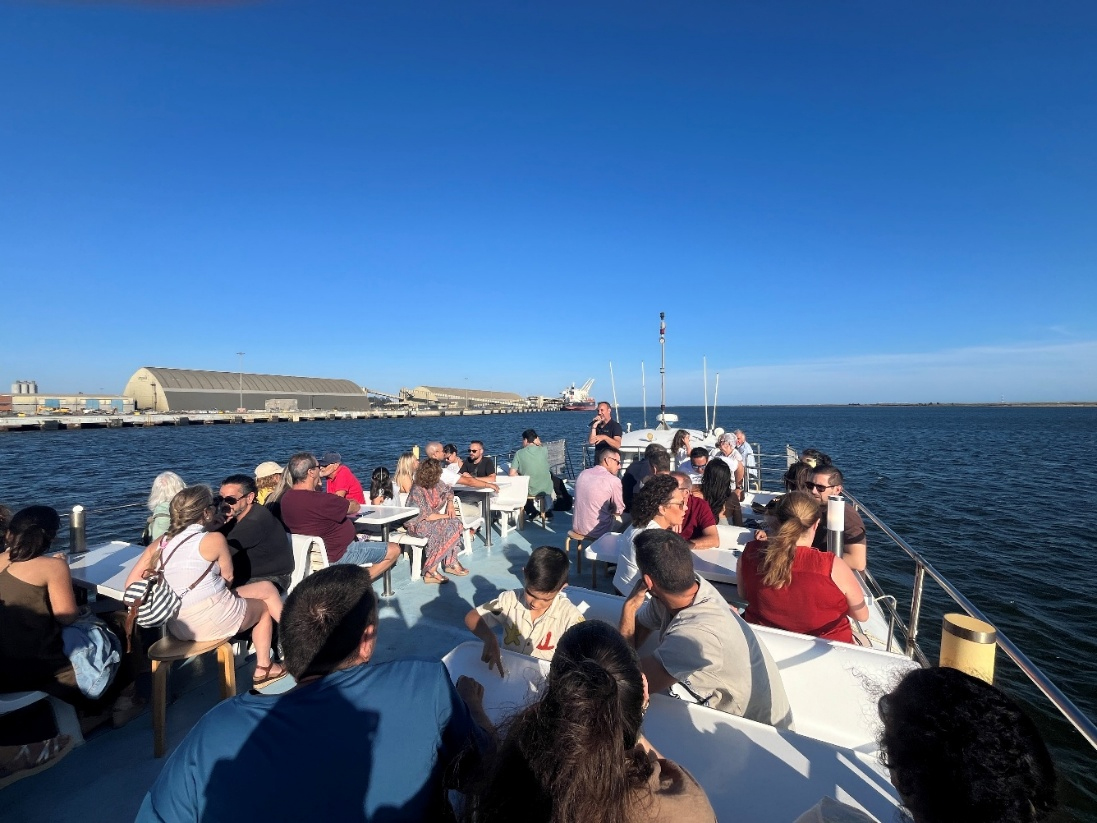
With the aim of bringing the reality of port operations closer to the team and promoting social interaction, three days of catamaran tours of the Port of Huelva were organised for staff and their families. These activities, led by the company Platalea, included refreshments and explanations about the port operations, ongoing projects and environmental progress, fostering a sense of pride in belonging and strengthening the relationship between families and the port environment. Furthermore, before opening to the general public, staff were given priority for visits to the lighthouses and the Columbus Monument, also organised by Platalea. This opportunity allowed employees to enjoy first-hand experience of the rich heritage linked to the Port.
In 2025, the Port of Huelva marked its first appearance with its own stand at the Autumn Fair (Feria del Caballo), a milestone that brought the staff together in an informal setting for two days of socialising over refreshments. This initiative has strengthened interpersonal bonds and helped to create a sense of community, consolidating the Port’s institutional visibility within a key social setting.
In addition, throughout the year, prize draws were held for tickets to events sponsored by the Port, as a way of recognising the staff and bringing them into closer contact with the cultural, sporting and social activities in which the Port Authority participates as a partner organisation. These prize draws are highly valued for their ability to motivate staff and create shared experiences.
The year culminated in the celebration of Port Day, a special event that included a musical performance and the presentation of awards and recognitions to professionals who have stood out for their commitment, career achievements or significant contributions. This gathering has become a celebration for the entire workforce, reinforcing the Port’s identity and publicly acknowledging the dedication of the team that makes it all possible.
Main concerns of stakeholders (I_27)
Over the past year, Huelva Port Authority conducted a new edition of the public perception survey with the aim of understanding how residents of Huelva and Palos viewed the Port’s activities and its presence in the local area. The results showed a largely positive view, although they also highlighted some challenges to be addressed in the coming years.
Firstly, the study once again confirmed the role of the Paseo de la Ría as the space most recognised by the public. It was mentioned by 20.5% of participants and stood out particularly among young people aged 18 to 25, where almost half (44.4%) identified it as the main port area. In Palos, the Fish Market was the most frequently mentioned location (32.1%), followed by the Paseo de la Ría. Other areas identified with the Port were the Columbus Monument and the Muelle de las Canoas in Huelva, and Punta del Sebo in Palos. These figures showed that the visual and everyday connection with the Port continued to depend largely on its most accessible and symbolic areas.
As for public image and perceived usefulness, the majority of people viewed the Port’s presence in the media positively. 89% of respondents in Huelva and 80% in Palos stated that they perceived a favourable image, and a similar percentage considered that the Port’s management was beneficial to the local area (88% in Huelva and 86% in Palos). This general support confirmed that the institutional narrative was well received, although a gap persists between the municipalities.
The study also analysed what type of information was most in demand. For the general public, the Port’s website remained a widely used resource for checking ferry timetables, job opportunities and general information. In Huelva, the topics that aroused greatest interest were events and activities, followed by projects and civil works, and the cultural calendar. In Palos, meanwhile, projects and civil works, technical conferences and environmental improvements stood out. This diversity indicated that each municipality had its own information priorities, suggesting the need to strengthen targeted communication.
Among the highest-rated attributes were the role of the Port as an economic engine and its contribution to the modernization of the territory, elements that citizens naturally associated with the development of the environment.
With regard to environmental perception, the majority of people considered that the port environment has improved compared to previous decades. This view was more widespread in Huelva (82%) than in Palos (66.7%), suggesting that messages on sustainability and environmental initiatives were reaching the population of Palos with less impact, as they were more exposed to the industrial context of the surrounding area.
The overall rating of the Port was 7.67, slightly higher in Palos (7.73) than in Huelva (7.00). Among the highest-rated attributes were the Port’s role as an economic driver and its contribution to the modernisation of the region, elements that the public naturally associated with the development of the area. When participants were asked to define what the Port meant to them, references closely linked to the urban landscape reappeared, such as the Paseo de la Ría or the Columbus Monument, as well as mentions of the chemical and energy industries, particularly among residents of Palos.
Overall, the 2025 results showed that the public continued to view the Port of Huelva positively, but they also revealed the need to continue working to strengthen the emotional and everyday connection with the city centre, improve environmental communication in Palos, and promote the dissemination of useful and transparent information. This snapshot from last year provides a solid foundation for guiding communication initiatives and continuing to consolidate the Port’s image as an economic, social and urban benchmark for its surrounding area.
Coordination and collaboration projects with other administrations (I_28)
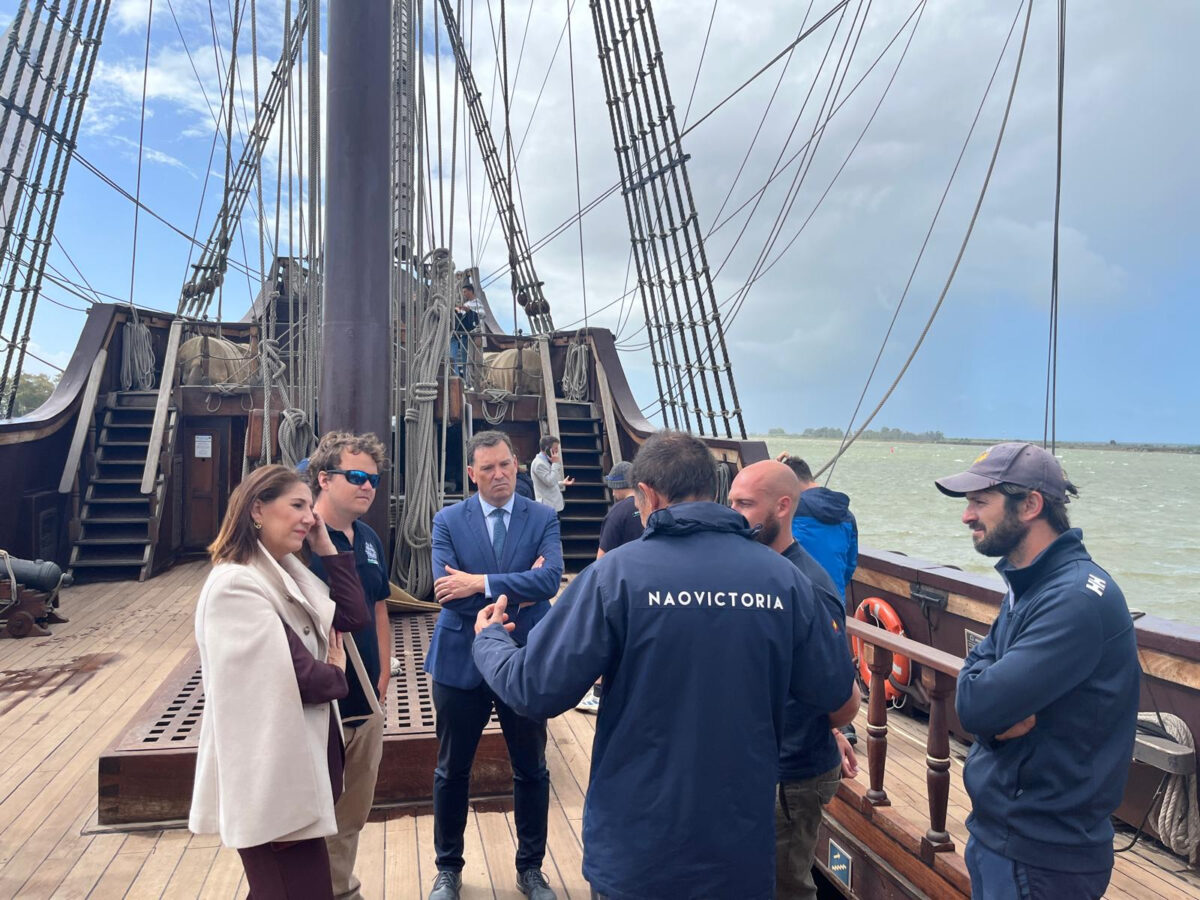
During 2025, partnerships have been formalised with other organisations as part of the Port of Huelva’s outreach to the city, reinforcing the institutional role that Huelva Port Authority has assumed within Huelva society. This link is evident in these new collaborations with organisations and community groups, which join the existing network of good relations with various administrations—at national, regional, provincial and local levels—resulting in joint projects and the strong support provided for other activities promoted by these bodies.
Similarly, the programme of institutional and business meetings continues, fostering the strengthening of ties with the social and business fabric of our local area. This also includes the meetings, gatherings and forums with Puertos del Estado that are traditionally held each year.
During 2025, Huelva Port Authority continued to expand its network of collaboration with institutional bodies, strengthening coordination with Huelva City Council. This cooperation was reflected in various events at which the Port President highlighted the Council’s support for initiatives linked to the circular economy, the modernisation of services and social commitment, thereby consolidating a joint effort aimed at benefiting the public and strengthening the urban environment.
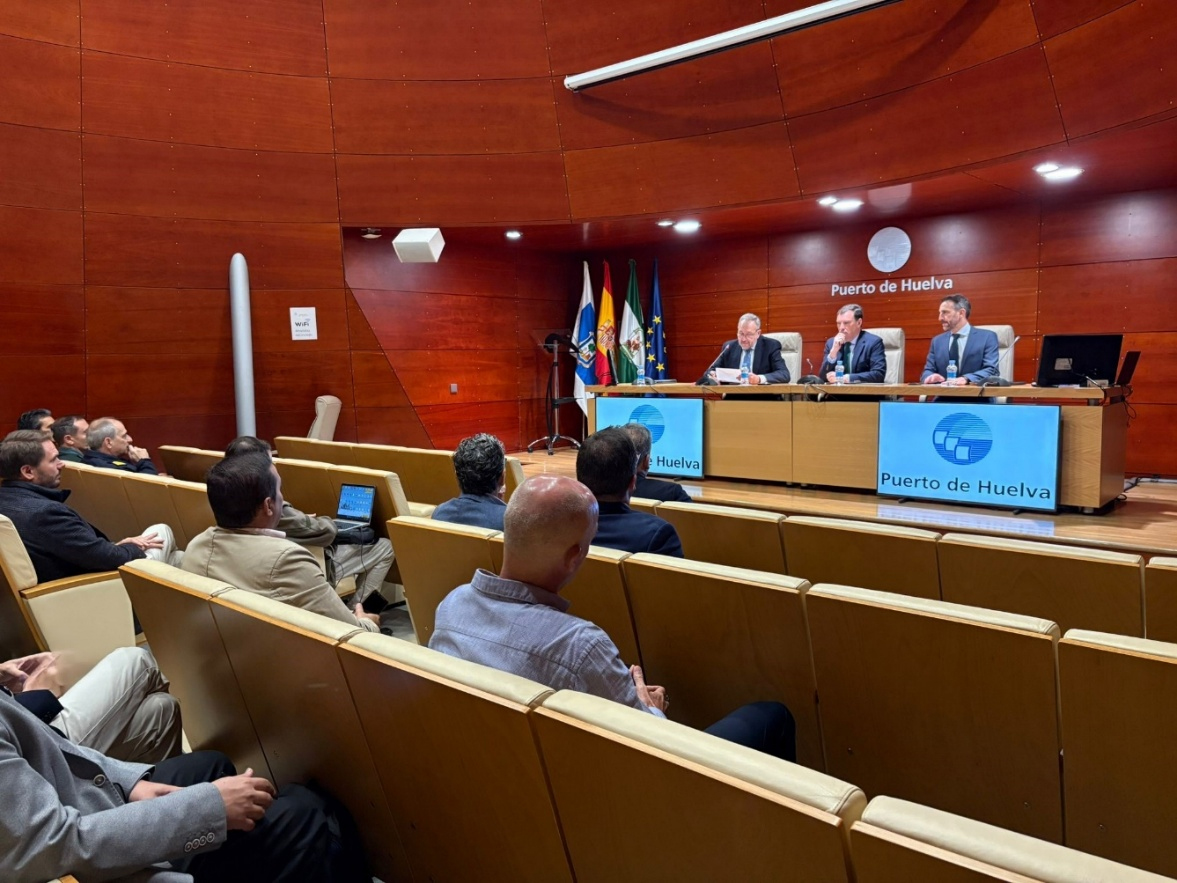
Inter-administrative collaboration was also evident through the Huelva Navigation and Port Council, a forum bringing together port, maritime and security authorities. At the meeting held in November 2025 at the Reception and Documentation Centre, the Harbour Master’s Office reported on the forthcoming entry into force of the Maritime Navigation Regulations; on a joint drill carried out in May; examples of operational coordination; and the Port’s willingness to work in an integrated manner on strategic issues relating to safety and maritime activity.
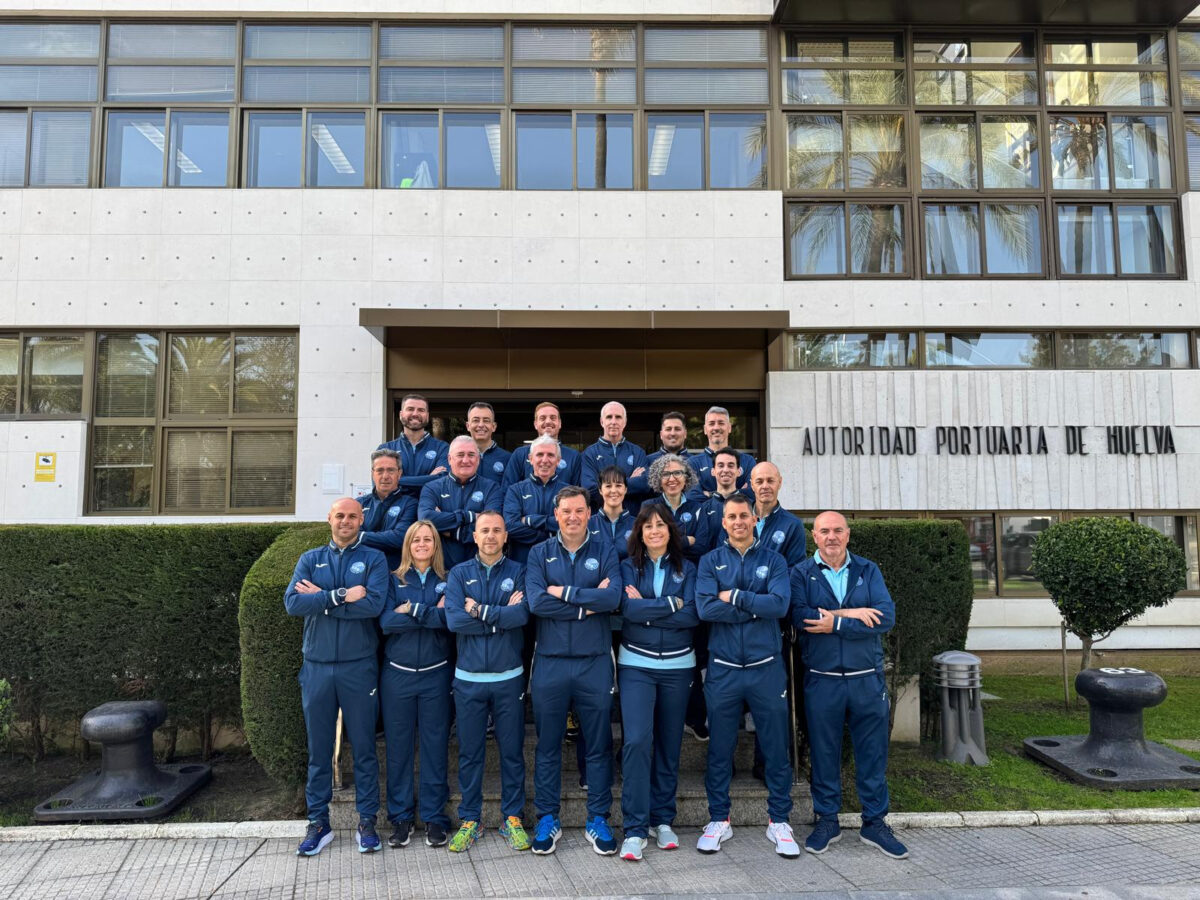
28th Inter-Port Futsal Tournament and the 1st Inter-Port Padel Tournament
Technical or business associations that the Huelva Port Authority belongs to (I_29)
The importance of the Port of Huelva as a driving force for the provincial economy, its commitment to the environmental management of port activities and the significance of the Port-City action programme have led Huelva Port Authority to join various technical and business associations.
At provincial level
- HuelvaPort Association – Association of Port Community Companies
- Huelva Federation of Entrepreneurs
- Huelva Chamber of Commerce Exporters’ Club
- AIQBE: In July 2025, Huelva Port Authority joined the Huelva Association of Basic Chemical and Energy Industries.
At the regional level
- Suncruise Andalusia. An association comprising all the Ports of General Interest in Andalusia and those of the Andalusian Public Ports Agency (APPA), as well as the Port of Ceuta and the Port of Melilla, with the aim of promoting Andalusia as a destination for cruises and recreational boating.
- Andalusia Logistics Network.Promoted by the Regional Ministry of Industry, Energy and Mines of the Regional Government of Andalusia.
- Andalusia Logistics Network. A network of first-class logistics and transport infrastructure promoted by the Regional Ministry of Development, Infrastructure and Territorial Planning of the Regional Government of Andalusia to coordinate and integrate the logistics of the entire Andalusian territory through the networked and intermodal operation of its maritime, land, rail and air infrastructure. This facilitates connectivity between the various logistics centres and the different modes of transport, by linking logistics centres via road and rail, and providing connections to Andalusia’s commercial ports, which offer excellent access to intra-European and international markets.
At national level
- Technical Association of Ports and Coasts (Asociación Técnica de Puertos y Costas – ATPYC). A technical and scientific association aimed at promoting technological progress in the field of ports and coasts, fostering a shared culture among professionals in these sectors.
- Spanish Association for the Promotion of Short Sea Shipping (Shortsea Promotion Centre Spain). An association for the development of competitive multimodal transport chains with a significant maritime component. Since 2021, Huelva Port Authority has been a member of the Board of Directors.
- Spanish Shippers’ Association (Asociación de Cargadores de España – ACE). A multi-sector association bringing together Spain’s leading shippers and freight transport users, which together represent a large part of the country’s industrial fabric and mass-market distribution sector, accounting for around 16% of national GDP. Furthermore, ACE is officially recognised by the Directorate-General for Transport of the Spanish Government’s Ministry of Transport, Mobility and Urban Agenda as the official representative of shippers.
- Association of Transport Centres of Spain (Asociación de Centros de Transporte de España – ACTE): An association to which the Logistics Activities Zone (ZAL) of the Port of Huelva belongs. Its aim is to develop and strengthen collaborative relationships between transport and logistics centres located in Spain, promoting their development and providing logistics and planning systems that contribute to the improvement of their facilities and services, with a particular focus on intermodality, environmental protection and sustainable development.
- Spanish Transport Association (Asociación Española de Transporte – AET): comprising organisations from all areas of the transport, logistics and mobility sector. Its mission is to promote knowledge and research, and the modernisation and professionalization of the transport sector, as well as professional networking.
- Spanish Association for Renewable Ammonia (Asociación Española del Amoniaco Renovable – AEAR): A multi-sector association that promotes the production, marketing and responsible use of renewable ammonia, supporting a sustainable energy economy and contributing to the energy transition. The AEAR’s mission encompasses both the decarbonisation of ammonia for existing applications and the adoption of low-carbon ammonia in new applications, involving stakeholders across the entire ammonia value chain. New applications include the direct use of ammonia as a fuel for electricity generation or transport (maritime, air and land), and its indirect use as a carbon-free hydrogen carrier.
At international level
- GASNAM-Neutral Transport: A technology platform that promotes the use of renewable gases (biomethane, hydrogen and their derivatives) in mobility in general and, in particular, in road and rail transport and in maritime transport. It promotes the use of renewable gases as cleaner alternative fuels across all the country’s productive sectors, to support the decarbonisation of the economy and the fight against climate change; capitalising on the Iberian Peninsula’s privileged position in the sector. This places it at the forefront in Europe in terms of infrastructure and the availability of Liquefied Natural Gas (LNG), in combination with its extensive experience in associated logistics and industry; offering innovative solutions for sectors where decarbonisation is a challenge, particularly in those transport segments requiring high power, range and rapid recharging. It has 160 members from a wide range of sectors. Since 2020, Huelva Port Authority has been a member of the Board of Directors, holding a seat on the Maritime Section.
- PIANC. A Brussels-based association, established to promote the development of the design, construction, improvement, maintenance and operation of inland and maritime waterways, ports and coastal areas at international level. Spanish representation is provided by the ATPYC.
- IAPH. International Association of Ports and Harbours. An association, based in Tokyo, dedicated to developing international frameworks for the common interests of port activity.
- ESPO. Promotes the common interests of its members across Europe and also in dialogue with European stakeholders in the port and maritime sector.
- MedCruise. The Mediterranean Cruise Ports Association promotes the cruise industry and brings together the ports of the ‘Mare Nostrum’ and its adjacent seas. Established in 1996 through a partnership agreement between 16 ports in seven different countries, MedCruise’s membership now spans 22 countries across three continents: Africa, Asia and Europe. MedCruise represents more than 159 ports and 54 associate members.
- RETE. An international non-profit association whose aim is to promote and facilitate dialogue and coexistence between ports and cities, in order to improve port activities and the quality of life in port cities and their territorial, economic, social, cultural and environmental surroundings.
- Docks The Future Network of Excellence – Towards the Port of Tomorrow: A European association whose objective is to define ‘the Port of the Future’, understood as the near future (2030), in relation to challenges concerning the simplification and digitalisation of processes, cybersecurity, emissions reduction, the energy transition, electrification, new fuels, smart grids, the port-city interface and the circular economy. Through this project, the European Union aims to increase the integration of maritime transport and ports within the Trans-European Transport Network (TEN-T) into the global logistics chain.
- European Atlantic Corridor Forum. As a core port of the Trans-European Transport Network (TEN-T) and a hub of the European Atlantic Corridor, the Port of Huelva actively participates in the official forums of the European Atlantic Corridor.
- European Maritime Space Forum. As a core port in the Trans-European Transport Network (TEN-T) and a hub of the European Atlantic Corridor, the Port of Huelva plays an active role in the official forums of the European Maritime Space (EMS).